



5 Essentials for a Comfortable Night Outdoors
A good night's sleep can change the whole feel of an outdoor adventure.
When you wake up rested, the morning coffee tastes better, the trail feels easier, and the view somehow feels even more rewarding. But sleeping well outside rarely happens by accident. It comes down to a few simple choices: staying dry, staying warm, and bringing gear that supports real rest without weighing you down.
Here are five essentials that can help make your next night outdoors more comfortable.
1. A Reliable Sleeping Pad
A sleeping pad is the foundation of outdoor comfort. It does more than soften the ground beneath you, and it also helps insulate your body from the cold surface below.
Even during warmer months, the ground can draw heat away from you during the night. That is why a good sleeping pad should offer a balance between comfort, insulation, durability and packability.
For lightweight hiking or bikepacking, a compact inflatable pad is often a practical choice. It packs small, keeps weight down and still gives enough support for a proper night's sleep. For more relaxed camping trips, a thicker pad can add extra comfort, especially if you are a side sleeper or simply want a softer feel after a long day outdoors.
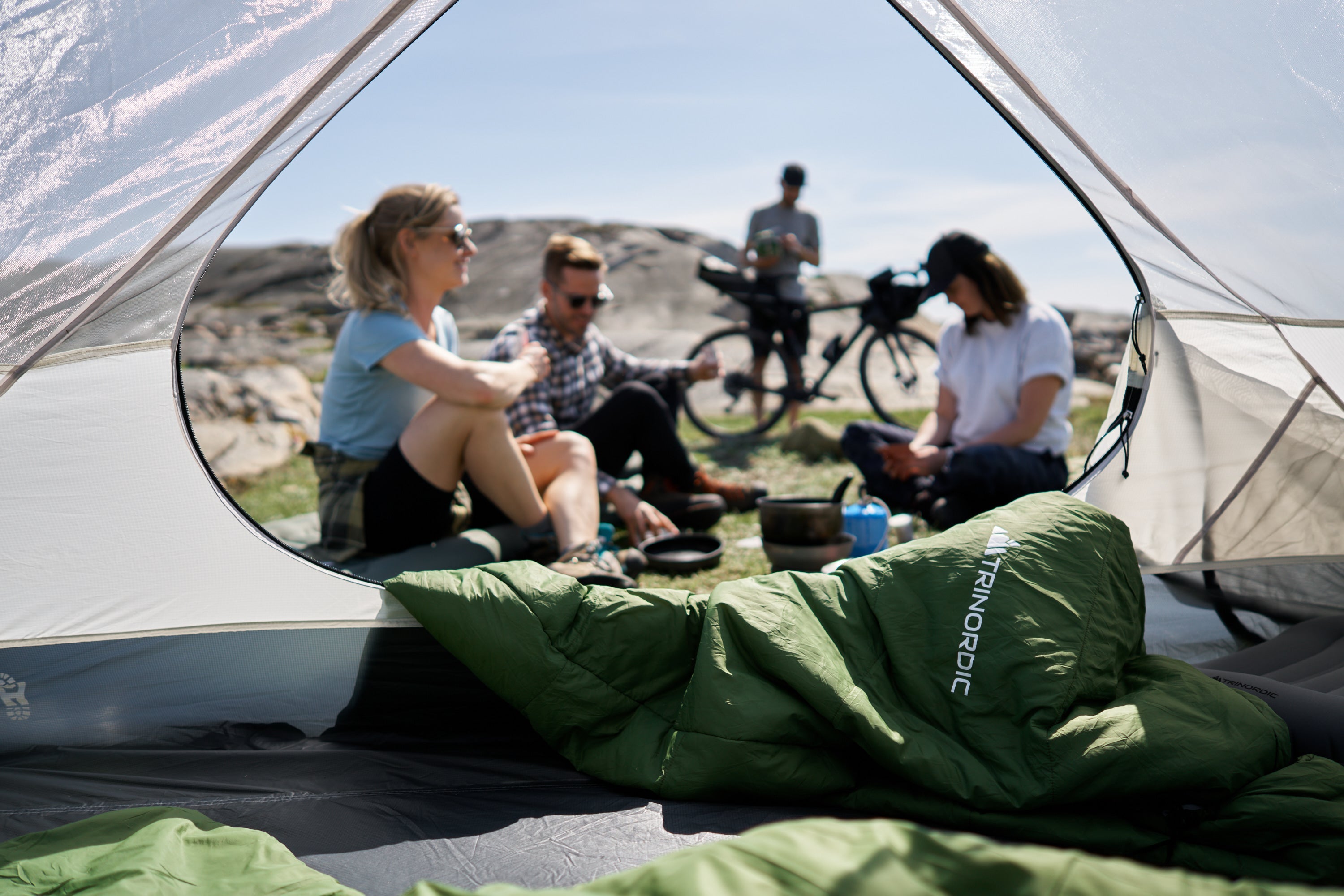
2. The Right Sleeping Bag
Your sleeping bag should match the season, the expected night temperature and the type of trip you are planning.
For summer camping, a lightweight synthetic sleeping bag is often enough. It should be breathable, easy to pack and warm enough for cooler evenings. For colder conditions, you may need a warmer bag, a liner, or extra insulating layers.
One thing worth checking carefully is the comfort temperature. This gives a more realistic idea of when the sleeping bag will actually feel comfortable. Extreme ratings can be useful for safety information, but they should not be used as a guide for a good night's sleep.
A sleeping bag that is too warm can feel sweaty and uncomfortable. One that is too cold can leave you awake for most of the night. The best choice is usually the one that matches the conditions you will actually face.
3. A Proper Pillow
A camping pillow may feel like a small detail, but it can make a big difference.
Neck support is easy to overlook when packing, especially if you are trying to keep weight low. But after hours of hiking, paddling or cycling, your body often needs more support than a rolled-up jacket can provide.
A small inflatable pillow gives your head and neck a more natural position, while still packing down small enough to fit easily into your sleep system. It is one of those items that may feel unnecessary at first, but once you get used to it, it becomes hard to leave behind.
For ultra-minimal trips, a jacket or spare clothing can still work. But for most campers, a dedicated pillow is a simple upgrade that improves sleep without adding much bulk.
4. Dry Sleeping Layers
Even good gear has its limits if you climb into your sleeping bag cold, damp or sweaty.
A dry base layer and a pair of warm socks reserved only for sleeping can make a big difference. They help keep your sleeping bag cleaner, reduce moisture inside the bag and make it easier for your body to stay warm through the night.
Wool and synthetic materials are usually the best options because they manage moisture better and dry faster. Cotton is best left at home, as it holds moisture and can quickly make you feel cold.
It is a small habit, but an effective one: change into dry layers before bed, even if the weather feels mild.
5. A Shelter That Suits the Trip
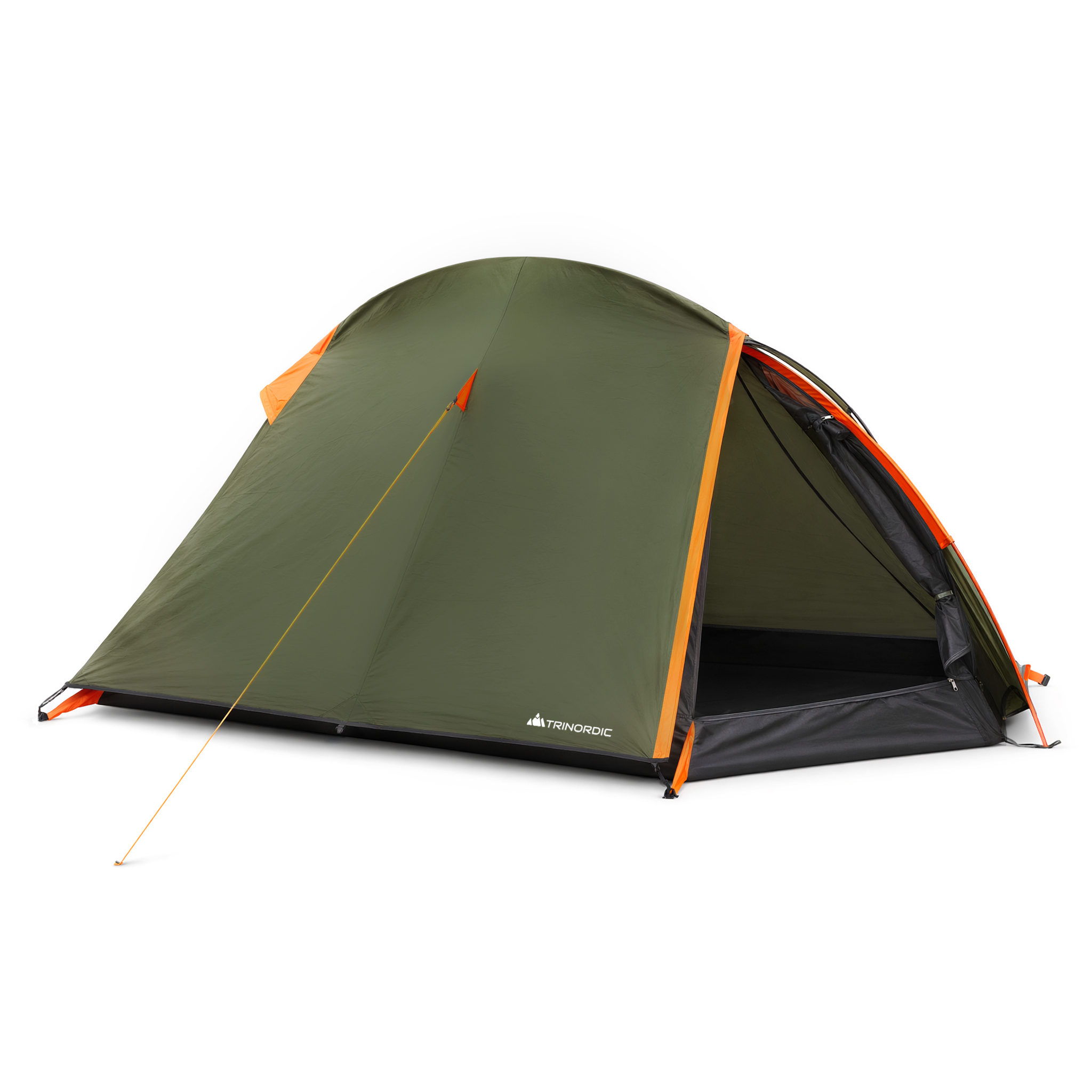
Your tent is your protection from wind, rain, insects and changing conditions. It also shapes how comfortable your night outdoors will feel.
For hiking, trekking and bikepacking, weight and pack size matter. A lightweight tent that is quick to pitch can make the end of the day much easier, especially if you arrive at camp tired or the weather is turning.
At the same time, your shelter still needs to be reliable. Look for a tent that suits the season, handles expected rain, offers decent ventilation and gives you enough space for the way you travel. A solo camper may prefer extra room for gear, while two people sharing a tent may care more about weight and simplicity.
The best tent is not always the largest or most technical one. Often, it is the one that gives you the right balance between protection, comfort and ease of use.
Bonus Tip: Create a Simple Sleep Routine
Comfort outdoors is not only about gear. It is also about how you prepare for sleep.
Take a few minutes before bed to slow down. Change into dry clothes, organize your gear, drink some water and make sure anything you may need during the night is within reach. Small routines like this help your campsite feel calmer and make it easier to relax.
The more familiar your setup becomes, the easier it is to sleep well outside.
Final Thought
The best outdoor nights are often the simplest ones. You are warm, dry and comfortable enough to forget about the gear and simply enjoy where you are.
With the right sleep setup, comfort is not a luxury. It becomes part of the adventure.